Implementing Dry Bulk Service Quality
Uncovering the Benefits of Using Bulk Haulage for Your Transportation Requirements
Bulk trucking presents a strategic option for organizations striving to streamline their transport operations. When combining loads, businesses are able to realize substantial reductions in cost and minimize their carbon footprint. Furthermore, bulk transport ensures greater dependability and flexibility in delivery schedules - Illinois top rated Bulk Trucking. Since the environment of logistics management changes, knowing the details of bulk freight transport becomes essential for maintaining a competitive edge. What further benefits might this method show for current enterprises?
Lowering Costs Using Economies of Scale
Although many businesses face rising transportation costs, this method delivers substantial financial benefits through large-scale operations. Through the grouping of deliveries, companies can reduce the cost to transport each item, as larger quantities allow for optimized resource deployment such as workers and gasoline. Such efficiency results in reduced total costs, thereby positioning bulk haulage as an attractive option for firms aiming to improve their transport operations.
Additionally, this method decreases the frequency of trips required, which helps lower expenses even more associated with vehicle maintenance and driver wages. Companies can negotiate better rates with transport providers when committing to larger volumes, allowing them to gain from reduced shipping fees. As complete guide a result, companies are able to direct their financial gains towards other functions, enhancing their competitive edge. In conclusion, bulk haulage's cost benefits establish it as a key strategy for companies seeking to increase profitability while keeping logistics running smoothly.
Decreased Impact on the Environment
Bulk transport significantly helps achieve a reduced environmental impact, positioning it as a green option for moving goods. When combining deliveries, bulk transport reduces the frequency of travel to ship items, which thereby reduces energy use and carbon output. The streamlined approach to moving substantial volumes of goods results in a lower vehicle count, reducing traffic congestion and damage to roads.
Additionally, a lot of haulage firms are moving toward environmentally friendly operations, such as using trucks that save gas and improving travel paths to reduce their environmental impact even more. Employing modern technology in logistics further assists with tracking pollution and improving total effectiveness. As businesses increasingly prioritize sustainability, using bulk shipping helps environmental initiatives but also meets CSR objectives. In this way, bulk hauling offers a viable option for companies seeking to lessen their environmental impact and still satisfying their delivery demands.
Improved Delivery Times and Reliability
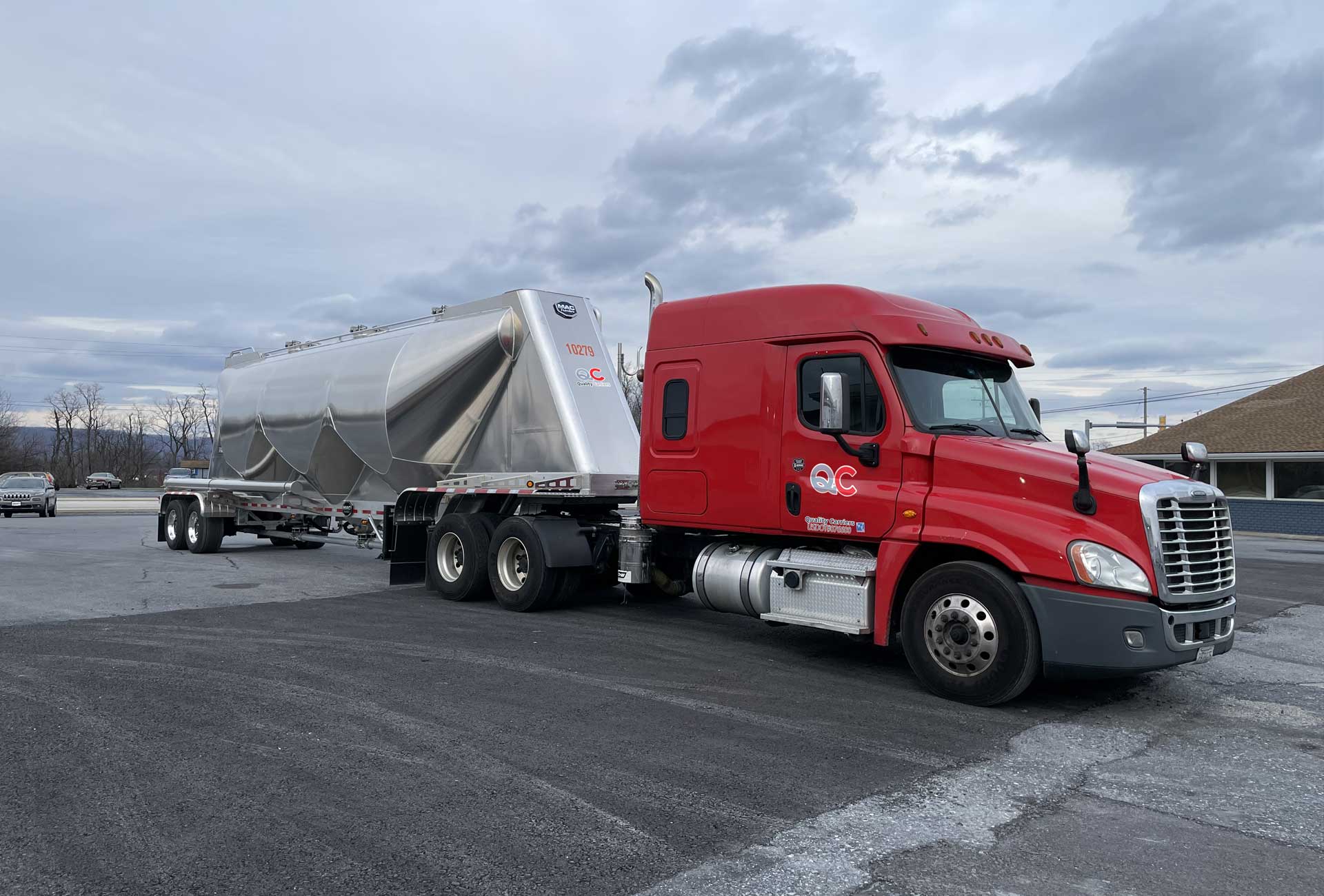
If firms select bulk hauling for moving their goods, they often experience improved delivery times and greater trustworthiness. This transport option is engineered to efficiently move large amounts of cargo, minimizing the required trips. By grouping deliveries, companies can minimize delays associated with loading and unloading, which translates to accelerated shipping.
Furthermore, bulk hauling generally makes fewer pauses, which streamlines the delivery process. Many bulk trucking companies utilize advanced logistics and tracking technologies, giving instant information that increases visibility and oversight. Having this visibility enables companies to plan efficiently, guaranteeing that items reach their destination on time.
Moreover, bulk transport's dependability is strengthened by seasoned operators and regularly maintained equipment, lessening the possibility of malfunctions or delays. Consequently, companies can depend on bulk trucking services to regularly meet their delivery schedules, thereby enhancing customer contentment and solidifying business connections.
Enhanced Load Capacity and Flexibility
While numerous transport choices limit the size of the load, bulk transport provides greater hauling volume that allows companies to transport substantial quantities of goods in a single journey. This capability is particularly beneficial for industries that must transport massive volumes, like construction, agriculture, and mining. With specialized vehicles designed for bulk materials, firms can improve their delivery methods, cutting down the journeys required to ship products.
Additionally, bulk hauling allows adaptability in cargo setup, handling different kinds of materials, such as powders, grains, and liquids. This adaptability enables businesses to respond to fluctuating demands and effectively handle their logistics network without compromising on capacity. By taking advantage of bulk trucking's flexibility and capacity, businesses can streamline their operations, minimize transportation costs and secure a more consistent delivery method. Ultimately, this option presents a practical solution for firms aiming to maximize delivery efficiency and fulfill customer requirements.
Efficient Supply Chain Operation
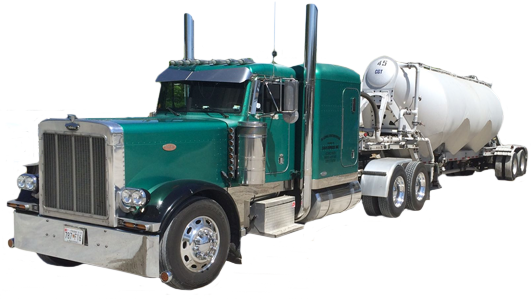
Better logistics coordination becomes increasingly achievable with the addition of bulk trucking into logistics operations. By grouping deliveries, businesses can reduce transportation costs and enhance timeliness. Mass hauling enables the transfer of larger quantities of goods in reduced travel, reducing the hassle of handling many separate loads. This effectiveness allows for superior warehouse organization, as companies can receive and distribute products more rapidly.
Furthermore, bulk trucking enhances communication and cooperation among logistics collaborators. With less transporters utilized, monitoring deliveries is easier, resulting in better transparency and faster reaction speed to any issues that may arise. The reliability of bulk trucking also makes certain that goods arrive at their destinations in excellent shape, reducing the likelihood of transit issues. In summary, integrating bulk trucking into logistics planning fosters a more cohesive and streamlined transport system, benefiting businesses and the consumers as well.
Questions and Answers
What Cargo Is Most Appropriate for Large-Scale Hauling?
Mass transport is perfect for moving significant amounts of product such as crops, construction materials, chemicals, and food items. These goods gain from streamlined, affordable transport options, reducing handling and decreasing transit expenses.
Where Can I Locate a Dependable Transport Company?
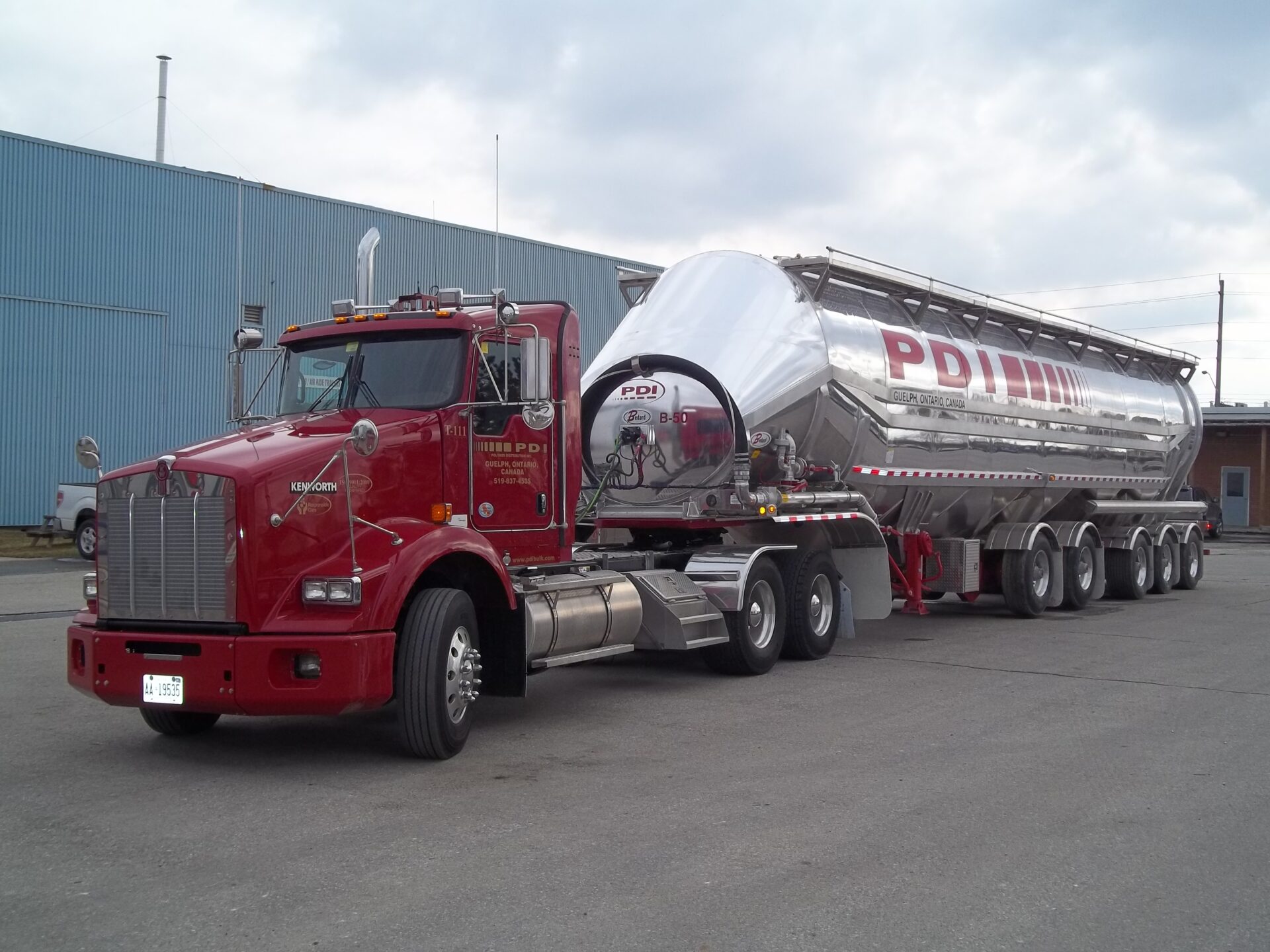
To find a dependable mass transporter, one should check digital feedback, ask colleagues for referrals, evaluate certifications, and review pricing proposals - Illinois top rated Bulk Trucking. Furthermore, checking the hauler's background and fleet capability is crucial to making a sound choice
What is the Typical Delivery Period for Large Cargo Loads?
The standard shipping duration for bulk shipments is generally around 24 to 72 hours, varying by the route length, traffic situations, and the kind of goods. Fluctuations in these conditions can greatly impact delivery timelines.
Are There Weight Restrictions for Large Cargo Deliveries?
Absolutely, bulk trucking loads typically have weight restrictions, which vary by state and truck model. Illinois top rated Bulk Trucking. Guidelines guarantee safety and compliance, typically restricting loads to roughly 80,000 pounds for conventional transport on interstates
Are Bulk Carriers Handle Temperature-Sensitive Shipments?
Yes, bulk trucking is able to handle temperature-sensitive shipments by employing specific gear, like temperature-controlled vans. This feature ensures that perishable goods maintain their required temperatures while in transport, protecting freshness and integrity.