Forecasting Freight Logistics Cost Reduction
Investigating the Upsides of Selecting Bulk Trucking for Moving Your Goods
Moving goods in bulk offers a strategic choice for companies looking to optimize their shipping logistics. When combining loads, companies can achieve substantial reductions in cost and minimize their carbon footprint. Moreover, this approach provides greater dependability and adaptability in delivery schedules - Illinois top rated Bulk Trucking. Since the environment of logistics management changes, understanding the nuances of bulk trucking is vital for maintaining a competitive edge. What other advantages might this method show for current enterprises?
Financial Benefits from Economies of Scale
Despite many firms are encountering start now higher transport fees, this method delivers significant cost savings through the principle of scale efficiency. By consolidating shipments, companies can reduce the cost to transport each item, as more substantial loads permit better utilization of assets such as staff and energy. This optimization leads to lower overall expenses, which makes bulk transport an attractive option for companies seeking to streamline their supply chain.
Moreover, this method decreases the amount of travel needed, which results in additional cost reduction associated with vehicle maintenance and driver wages. Firms may obtain more favorable fees with transport providers when promising greater quantities, helping them realize lower delivery charges. As a result, businesses can allocate their savings towards other functions, boosting their competitiveness. In the end, the financial benefits of bulk transport establish it as a key strategy for companies seeking to increase profitability while maintaining efficient supply chain operations.
Lowering the Ecological Footprint
Bulk transport significantly helps achieve a reduced environmental impact, establishing it as a sustainable solution for shipping. By consolidating shipments, this approach lowers the number of trips required to transport products, which thereby reduces energy use and carbon output. This efficient method of shipping bulk items allows for fewer vehicles on the road, reducing traffic congestion and wear on infrastructure.
Moreover, many bulk trucking companies are moving toward environmentally friendly operations, such as using trucks that save gas and optimizing routing to reduce their environmental impact even more. Implementing sophisticated tools in the supply chain helps in monitoring emissions and boosting operational performance. With businesses increasingly prioritizing environmental responsibility, choosing bulk transport doesn't just support green efforts but also aligns with corporate social responsibility goals. Thus, bulk transport acts as an effective answer for firms aiming to minimize their environmental damage and still completing their logistical requirements.
Faster Shipping and Greater Reliability
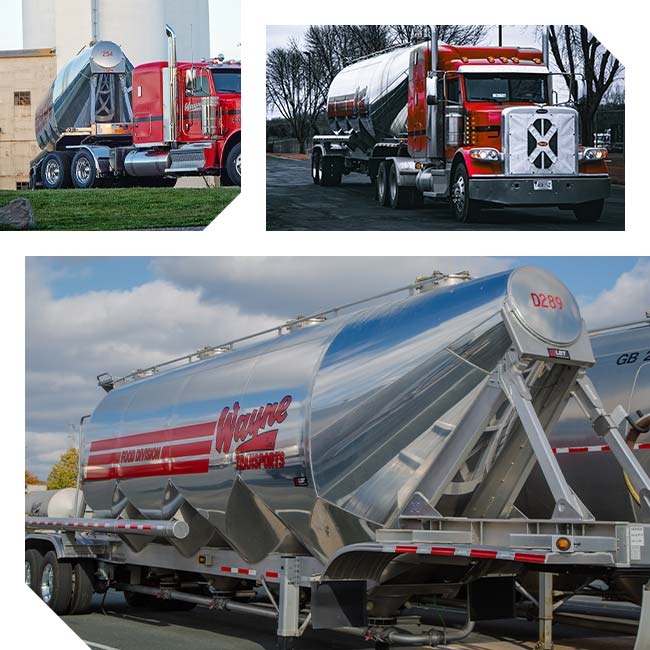
If firms select bulk hauling for their shipping requirements, they usually benefit from better transit times and greater trustworthiness. This mode of transportation is designed to efficiently handle large quantities of goods, decreasing the total number of hauls. Through combining loads, businesses can reduce holdups related to staging and destaging, leading to faster transit times.
What's more, bulk trucking typically involves fewer stops, which streamlines the delivery process. Numerous bulk haulers employ cutting-edge tracking and logistics tools, providing real-time updates that increases visibility and oversight. Having this visibility enables companies to plan efficiently, guaranteeing that items reach their destination on time.
In addition, bulk transport's dependability is strengthened by seasoned operators and well-maintained vehicles, lessening the possibility of malfunctions or delays. As a result, businesses can rely on bulk transport providers to reliably hit their transit targets, ultimately improving customer satisfaction and solidifying business connections.
Superior Load Size and Flexibility
While many transportation options have limitations on load size, bulk transport provides greater hauling volume allowing firms to ship significant volumes of materials in a single haul. This capacity proves highly useful for industries requiring the movement of large volumes, such as agriculture, construction, and mining. Using specialized trucks built for bulk goods, companies can streamline their transport operations, minimizing the hauls necessary for delivery.
Moreover, bulk transport offers versatility in how loads are arranged, allowing for diverse product types, such as powders, grains, and liquids. This flexibility helps firms adjust to evolving needs and manage their supply chain effectively without sacrificing volume. By taking advantage of bulk trucking's flexibility and capacity, companies can optimize their processes, lower transport expenditures and guarantee a more reliable delivery process. Ultimately, this method provides an effective solution for firms aiming to maximize delivery efficiency and satisfy client demands.
Efficient Supply Chain Operation
Efficient logistics coordination becomes increasingly achievable with the integration of mass hauling into transport processes. By grouping deliveries, businesses can cut down on transit expenditure and speed up delivery. Large-scale transport facilitates the movement of greater volumes of cargo in fewer trips, minimizing the complexity associated with multiple shipments. This effectiveness makes possible better inventory management, as companies can receive and distribute products with greater speed.
Additionally, bulk trucking enhances communication and cooperation among logistics collaborators. With fewer carriers involved, monitoring deliveries is easier, leading to improved visibility and quicker response times to potential problems. The reliability of bulk trucking also guarantees that goods arrive at their destinations in excellent shape, decreasing the chance of transit issues. In summary, incorporating mass transport into SCM frameworks creates a more unified and efficient logistics framework, helping companies and the consumers as well.
Frequently Asked Questions
What Cargo Is Most Appropriate for Bulk Trucking?
Large-scale hauling is best for transporting large quantities of goods such as crops, building supplies, chemicals, and perishable goods. These goods gain from effective, economical delivery techniques, reducing handling and decreasing transit expenses.
Where Can I Locate a Reliable Bulk Trucking Provider?
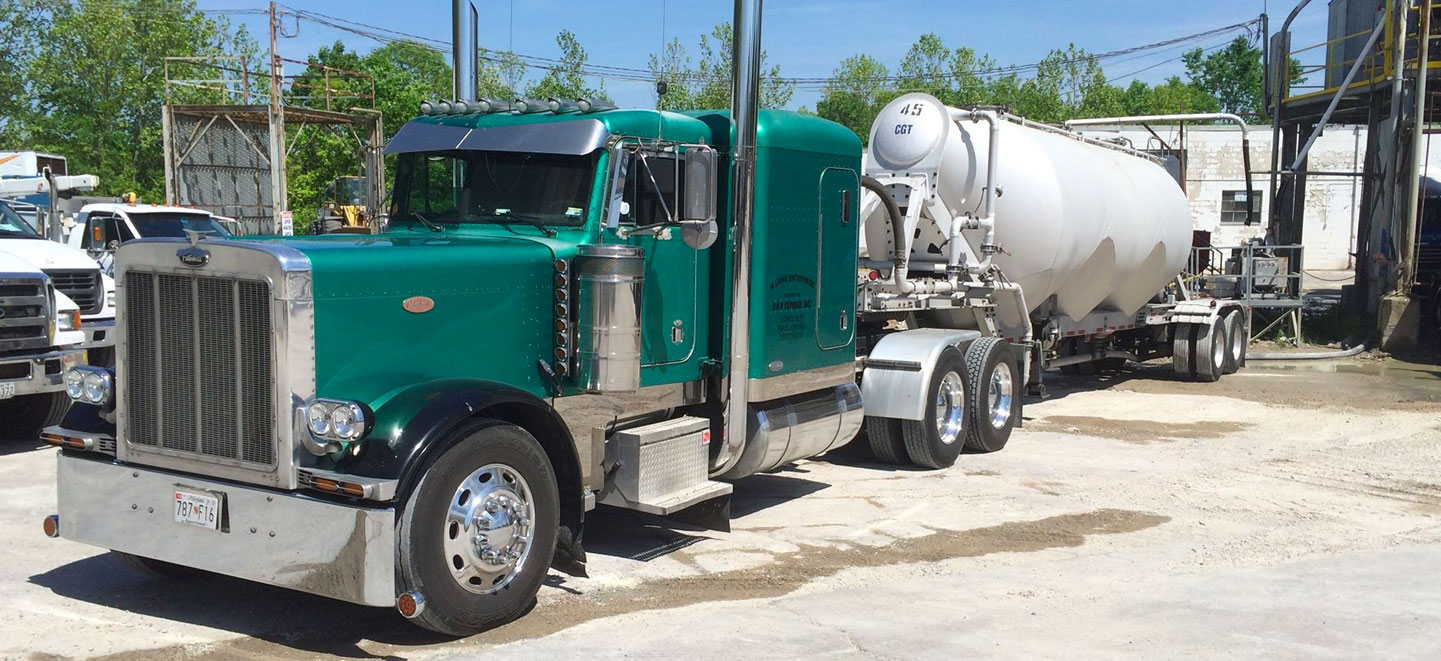
To find a reliable bulk trucking provider, one should check digital feedback, solicit advice from other businesses, evaluate certifications, and review pricing proposals - Illinois top rated Bulk Trucking. Additionally, evaluating the provider’s experience and fleet capability is essential for making a sound choice
How Long Does It Usually Take for Bulk Shipments?
The standard shipping duration for bulk shipments is generally around 24 to 72 hours, depending on distance, traffic situations, and the nature of the freight. Changes in these elements can greatly impact delivery timelines.
Do Weight Limits Apply for Mass Transport Shipments?
Absolutely, bulk trucking loads typically have weight restrictions, which differ by region and vehicle type. Illinois top rated Bulk Trucking. Guidelines provide safety and compliance, often limiting loads to around 40 tons for typical commercial vehicles on major roads
Can Bulk Trucking Accommodate Perishable Goods?
Absolutely, bulk trucking can accommodate goods requiring climate control by employing specialized equipment, like reefer units. This feature ensures that temperature-dependent items keep their specified temperature range during transit, protecting freshness and integrity.